Metal-jacketed gaskets Planisteel MJ

Sealing factors m & y according to ASME VIII Boiler and Pressure Vessel Code

PLANISTEEL MJ

MJ00 and MJ10 MJ14
MATERIAL m y (psi) m y (psi)
Aluminium 3,25 5500 2,50 2900
Soft copper or brass 3,50 6500 2,75 3700
Iron or soft steel 3,75 7600 3,00 4500
Monel 3,50 8000 3,25 5500
4%-6% chrome 3,75 9000 3,25 5500
Stainless steel 3,75 9000 3,50 6500


* PLANISTEEL gaskets are available in all metals and inserts. Sealing factors m & y according to ASME VIII Boiler and Pressure Vessel Code


Metal-jacketed gaskets Planisteel MJ are sealing elements designed for industrial applications, especially for heat exchangers, where high reliability is required.

They consist of an external metal jacket enclosing a plastic or compressible filler material, combining the mechanical strength of metal with the adaptability properties of the filler.


Characteristics


Planisteel MJ metal-jacketed gaskets offer many advantages:

  • good sealing performance even with moderate tightening loads


  • dimensional stability over time


  • compatibility with numerous fluids (gases, vapours, oils, chemicals)


  • adaptability to standard and special flanges


  • resistance to high temperatures and medium-high pressures


  • good resistance to thermal shocks


  • greater robustness compared to soft gaskets


Planisteel MJ gaskets are available in different construction configurations (single or double jacket, with or without overlap lips) and can be customised according to diameter, thickness, jacket material and filler, depending on specific operating conditions.
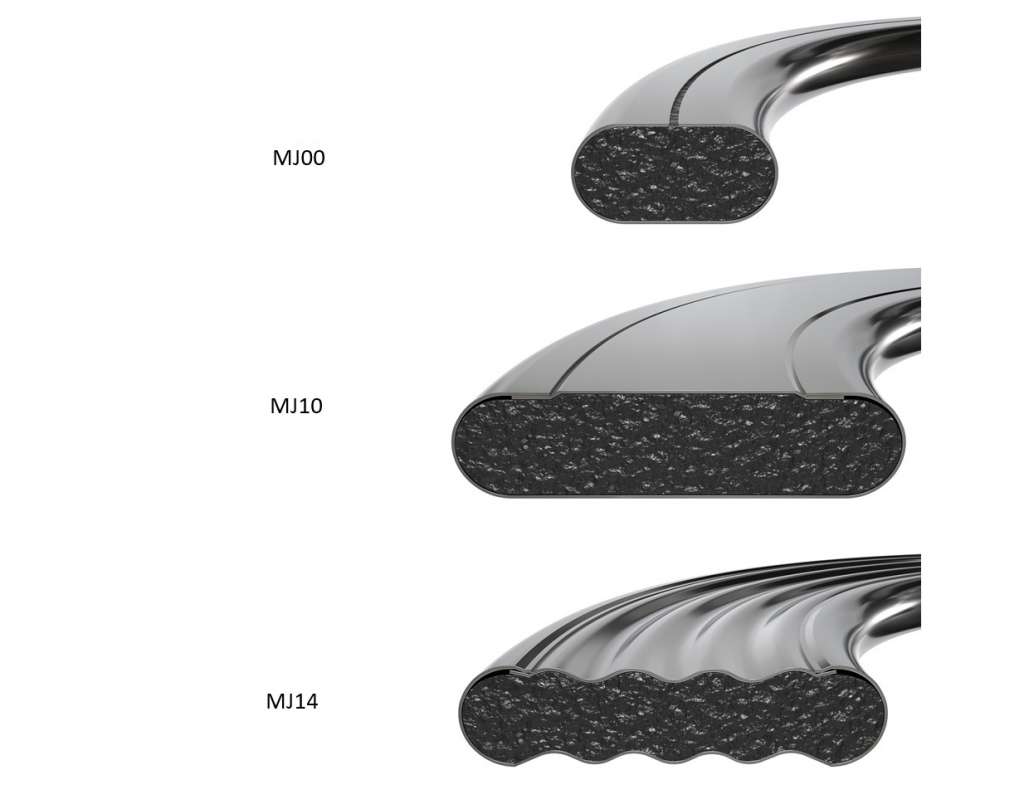
 

Characteristics

Planisteel MJ metal-jacketed gaskets are specifically designed for applications on heat exchangers and represent a reliable and versatile solution for plants in the chemical, petrochemical, energy, food and general plant engineering sectors, where safe sealing combined with long service life is required.


Sealing factors m & y according to ASME VIII Boiler and Pressure Vessel Code

PLANISTEEL SOLID MS

MATERIAL m y (psi)
Soft Aluminium 4,00 8800
Soft copper or brass 4,75 13000
Iron or soft steel 5,50 18000
Monel or 4%-6% Chrome 6,00 21800
Stainless steel and nickel-base alloys 6,50 26000


* PLANISTEEL SOLID MS gaskets are available in all metals. Sealing factors m & y according to ASME VIII Boiler and Pressure Vessel Code


Solid Flat Metal Gaskets

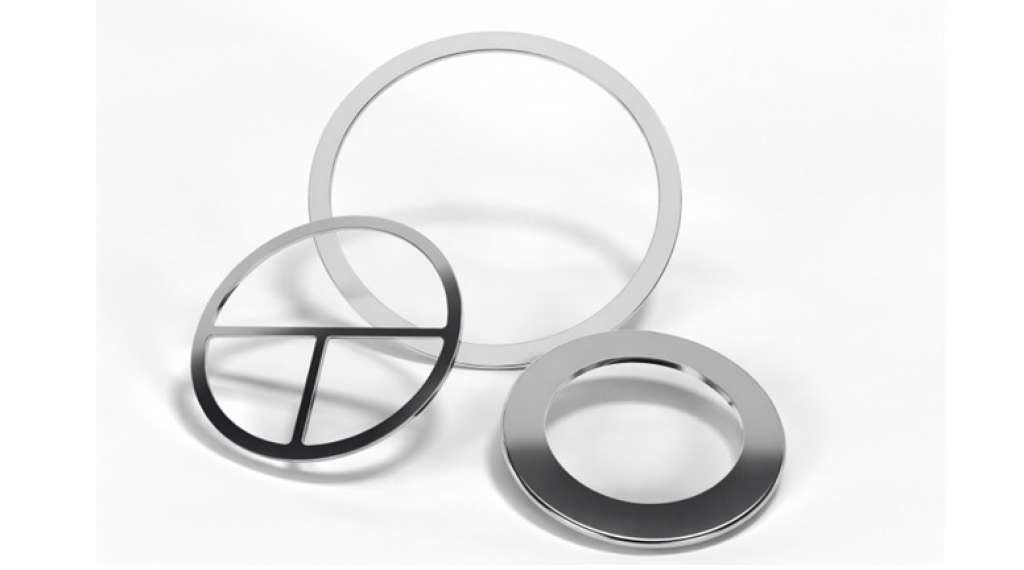
Flat solid metal gaskets are sealing devices used in flanged connections when operating conditions require high mechanical strength and stability at very high temperatures and pressures. Unlike soft gaskets or semi-metallic gaskets, these gaskets are made entirely of solid metal and do not include filler materials or non-metallic coatings.

From a construction standpoint, a flat solid metal gasket is generally manufactured in the form of a flat metal ring with smooth surfaces, designed to be placed between two flanges and compressed by tightening the bolts. The materials used may vary depending on the operating conditions and commonly include copper, aluminum, stainless steel, nickel, titanium, or other special alloys. The choice of material mainly depends on factors such as operating temperature, pressure, chemical compatibility with the process fluid, and corrosion resistance.


The operating principle of these gaskets is based on the controlled plastic deformation of the metal during tightening of the flanged joint. When the gasket is compressed between the flange surfaces, the metallic material slightly deforms and adapts to the micro-irregularities of the contact surfaces. This process creates a continuous barrier that prevents the leakage of the fluid contained in the system, thus ensuring the tightness of the joint.


Thanks to their fully metallic structure, flat solid metal gaskets Planisteel Solid MS provide high mechanical strength and remarkable stability at high temperatures, making them particularly suitable for severe applications. They are commonly used in petrochemical plants, refineries, high-pressure systems, energy plants, and in some applications in the nuclear and aerospace sectors, where the reliability of the sealing system is a fundamental requirement.

Despite their many advantages, the use of these gaskets requires certain specific conditions. In particular, relatively high tightening loads must be applied in order to obtain sufficient plastic deformation of the metal and ensure effective sealing. In addition, flange surfaces must exhibit a high level of finish and flatness, since solid metal gaskets have a limited ability to compensate for surface imperfections compared to gaskets made of softer materials.

For these reasons, flat solid metal gaskets are generally used in systems specifically designed for this type of gasket, where control of installation conditions and flange characteristics allows their performance to be fully exploited in terms of strength, durability, and sealing reliability.